
Project Plans
How to Build a Workbench for Beginners
A step-by-step guide to building a solid, flat workbench using dimensional lumber — no machinery required. Suitable for a garage or basement shop.
Woodworking Reference — Canada
Covering bench builds, hand tool selection, joinery techniques, and the wood species that grow in Canadian forests — written for hobbyists at every skill level.
Latest Articles
Project Plans
A step-by-step guide to building a solid, flat workbench using dimensional lumber — no machinery required. Suitable for a garage or basement shop.
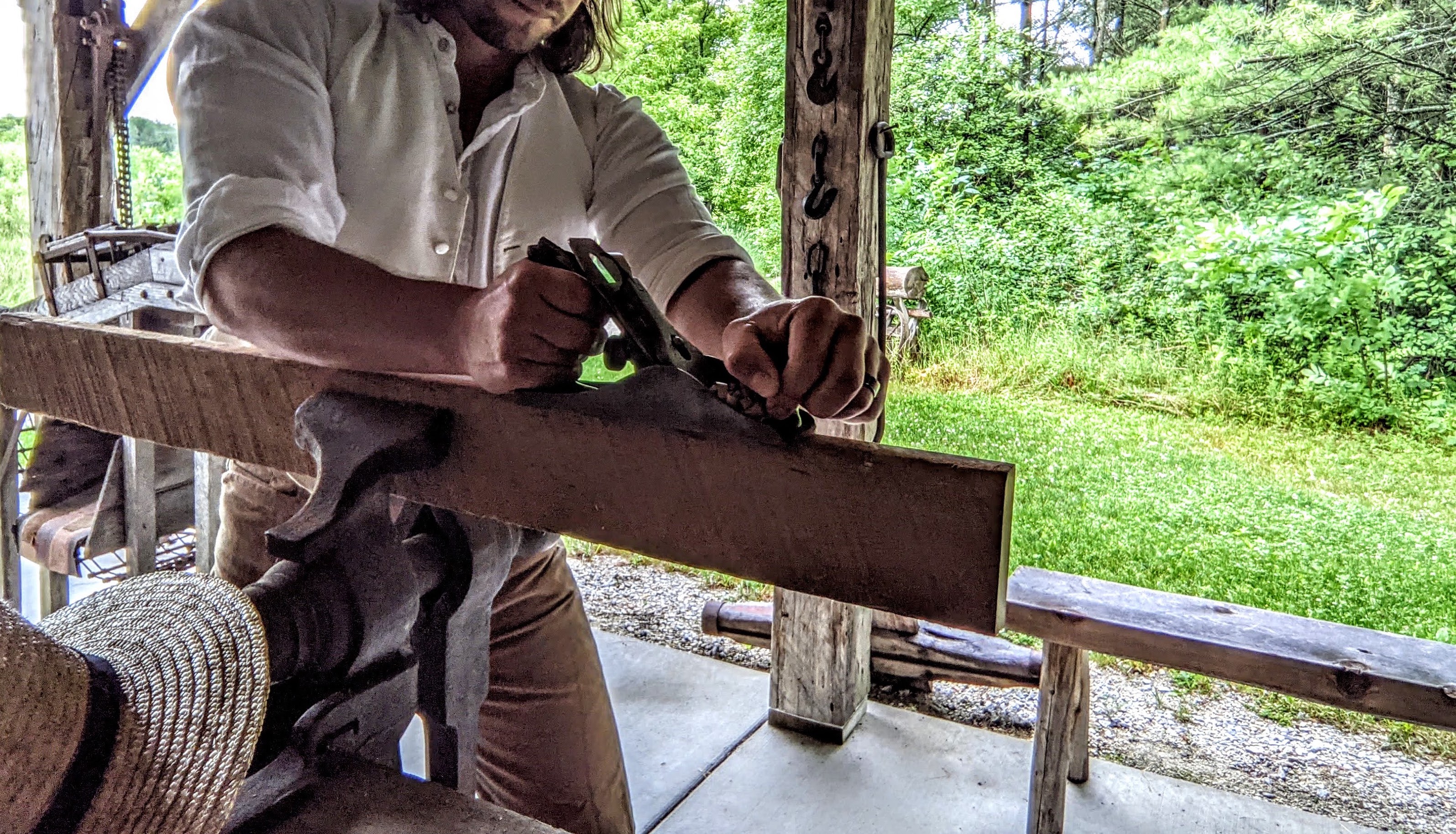
Tool Guides
A practical breakdown of the saws, planes, chisels, and marking tools that form the foundation of a functional hand-tool workshop.

Wood Species
Comparing hardness, grain patterns, finishing behaviour, and common uses for three widely available Canadian wood species.
A proper workbench — flat, heavy, and rigid — makes every subsequent project easier. This guide walks through material selection, layout, leg construction, and top flattening without requiring a planer or jointer.
Read the full guideBy Topic
Dimensional drawings, cut lists, and assembly sequences for benches, cabinets, shelving units, and small shop fixtures.
Plane setup, chisel sharpening, saw technique, and marking — the skills that underlie every hand-tool project.
Profiles of the hardwoods and softwoods available from Canadian lumber yards, including working properties and finishing notes.
Sugar maple, eastern white pine, and black walnut are all harvested commercially in Canada. Each behaves differently at the bench — maple requires sharp tools and careful grain reading, pine is forgiving but prone to dents, walnut is stable and finishes beautifully with oil.
Wood Species Guide
Dovetails, mortise-and-tenon, and box joints are the vocabulary of furniture-grade woodworking. The hand-tool approach to cutting these joints is covered in the essential tools article — including how to chop a mortise cleanly with a 1/2-inch bench chisel.
Hand Tools ArticleWinter humidity swings in Canadian homes affect wood movement differently than in warmer climates. The articles here account for seasonal expansion, proper acclimatisation times, and finish choices that hold up to dry Prairie winters and damp coastal conditions.
About This ResourceSend a message using the contact form on the About page.